


Courtesy of Svetosar Ivanov
Highlights from the performance and Svetozar Ivanov in conversation with Classical WSMR host Susan Giles Wantuck.
-
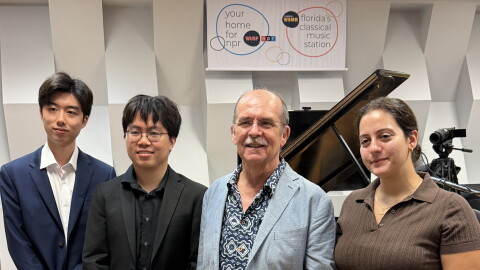 Alexandria EbronHighlights during a performance from student pianists of the Rebecca Penneys Piano Festival.
 -
 Alexandria EbronHighlights of the performance plus Erica Lee and Qinghong Lian in conversation with Classical WSMR host Mark Michaud.


Whether the composers meant for this music to be scary is debatable. But, it still is.

-
 We'll feature a special live performance and music from artists who call this part of Florida home. That's throughout the day.
 -
 From waterfront seafood and costume contests to trick-or-treating and after-dark adventures, here's where to find the fun this weekend in the area.
 -
 The Minnesota humorist and top-shelf storyteller performs Saturday at the Capitol Theatre in Clearwater.


More From WSMR





Ways you can listen.


Your guide to our community's creative space.