-
 WSMR explores history and the events in music, culture, the arts and more that shape our world.
 -
 The vessel was named for its home port in the 1910s, when it performed hurricane patrol and the crew took part in Gasparilla. It rested on the Atlantic floor for 107 years until a British dive team spotted it.
 -
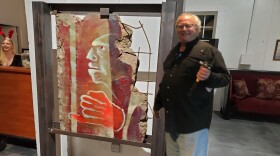 Experts say the estimated 250 pieces of the Berlin Wall’s eastern side likely make up the largest collection outside Germany.
 -
 The name didn't stick. The fan communities did.
 -
 The carousel was first desegregated when part of Gwynn Oak Amusement Park outside Baltimore in 1963. It was moved to the National Mall after the park closed.
 -
 The ornate Cotofenesti helmet, which was stolen in January 2025 while on loan to a Dutch museum, was recovered last month.
 -
 The next performance of Impact Theatre is Tuesday, April 14, at 7 p.m. at The Ora, Morganroth Event Center, at the Jewish Federation in Sarasota on 580 McIntosh Road.
 -
WSMR explores history and the events in music, culture, the arts and more that shape our world.
-
 WSMR explores history and the events in music, culture, the arts and more that shape our world.
 -
 WSMR explores history and the events in music, culture, the arts and more that shape our world.

© 2026 All Rights reserved WUSF

Florida's Classical Music Station
Play Live Radio
Next Up:
0:00
0:00
Available On Air Stations


